Landscape Lighting Ideas for Safer, More Inviting Woodstock Homes
Well-planned outdoor lighting helps you enjoy more of your property after sunset. It makes steps, paths, and changes in elevation easier to see while giving your home a warm, welcoming look from the street. Rather than relying on one bright fixture, we recommend layers of light that work together naturally.
For landscape lighting in Woodstock, GA, we consider the details that make each property different. Wooded lots, sloped yards, brick exteriors, mature trees, and outdoor living areas all affect where light should go and how it should feel. A thoughtful plan can bring attention to the parts of your home and yard you already enjoy, without making the property feel overly bright.
Guide Guests Along Paths, Entries, and Driveways
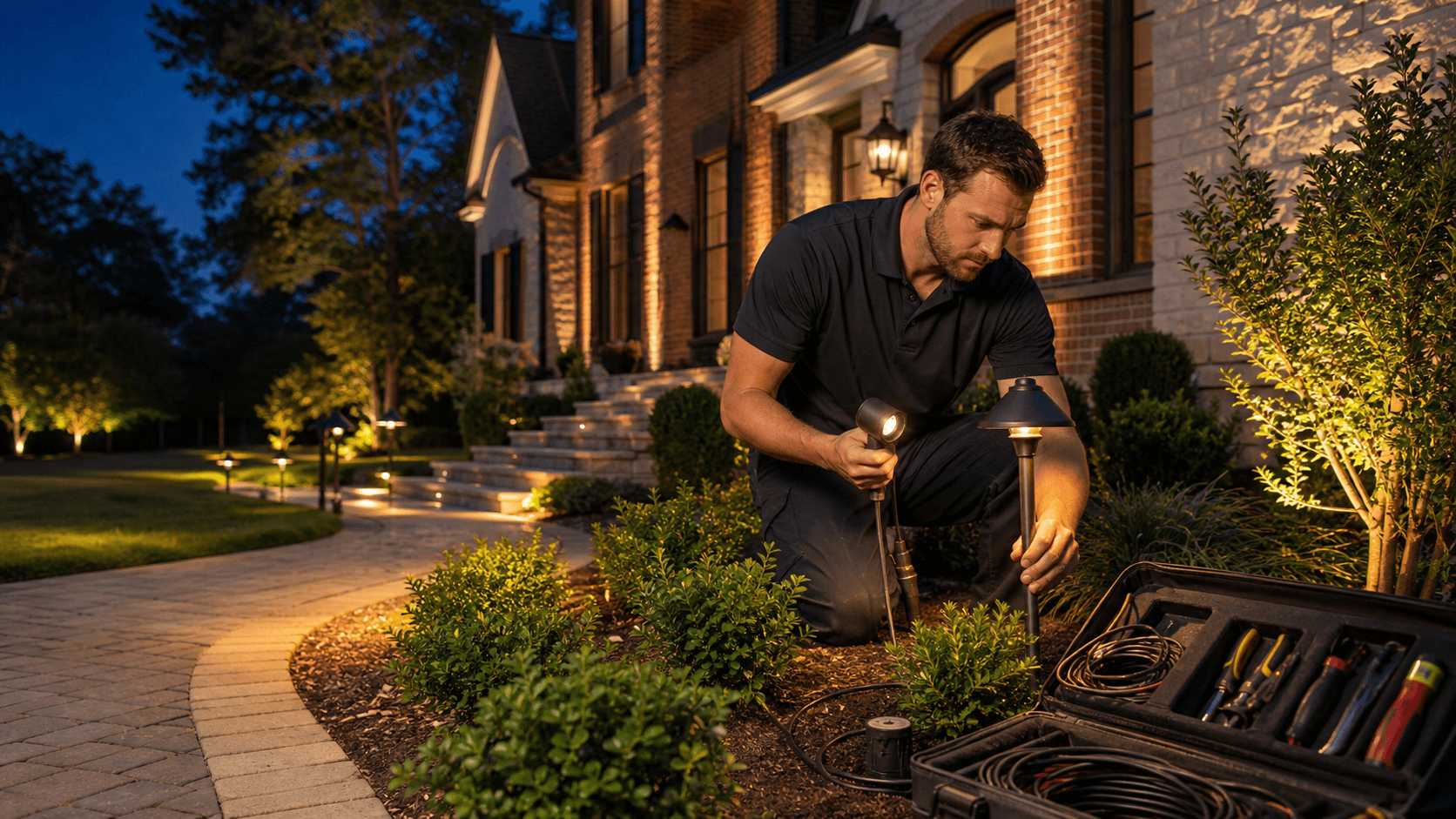
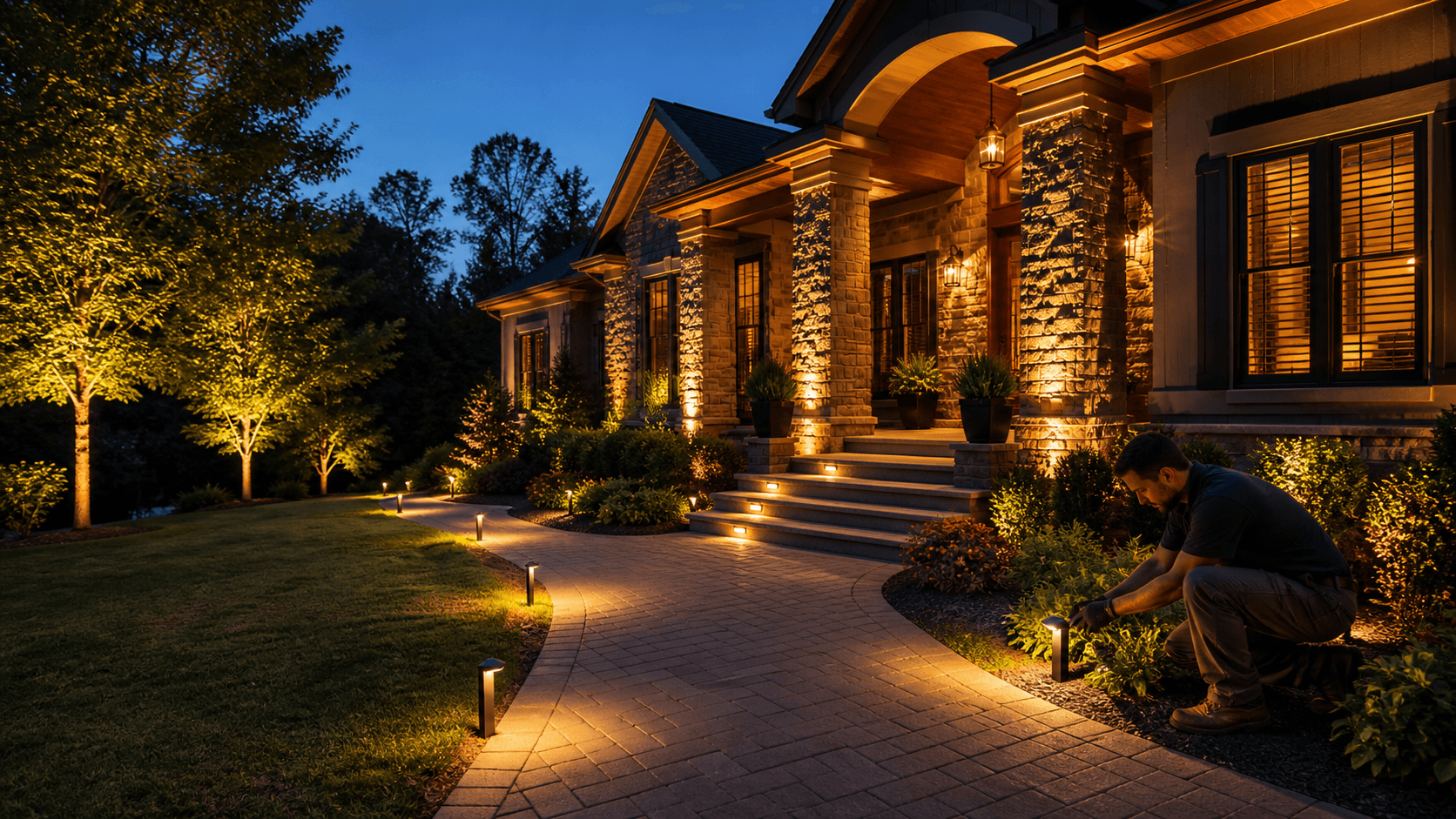
The route from the driveway to your front door should feel clear and comfortable at night. Path lights, low-mounted fixtures, and gentle downlighting can show guests where to walk without turning the walkway into a runway. The goal is not to light every inch of pavement. Instead, we use lighting to define the route and draw attention to important changes along the way.
Certain areas deserve extra care because they can be harder to see after dark:
- Steps and changes in elevation
- Turns in walkways and side paths
- Driveway edges and transitions
- Mailbox areas near the street
- Entryways, porches, and front-door details
Too many fixtures placed close together can create a cluttered appearance and competing pools of light. Fixtures that aim upward or sit at eye level can also shine into visitors' faces. We plan spacing, fixture height, and beam direction so the light lands where you need it, not where it becomes distracting.
Plant growth matters, too. A fixture that looks perfectly placed today may be hidden by shrubs later. During a professional design, we account for existing plantings and likely growth patterns so the system continues to work well over time.
Make Patios and Decks More Enjoyable After Dark
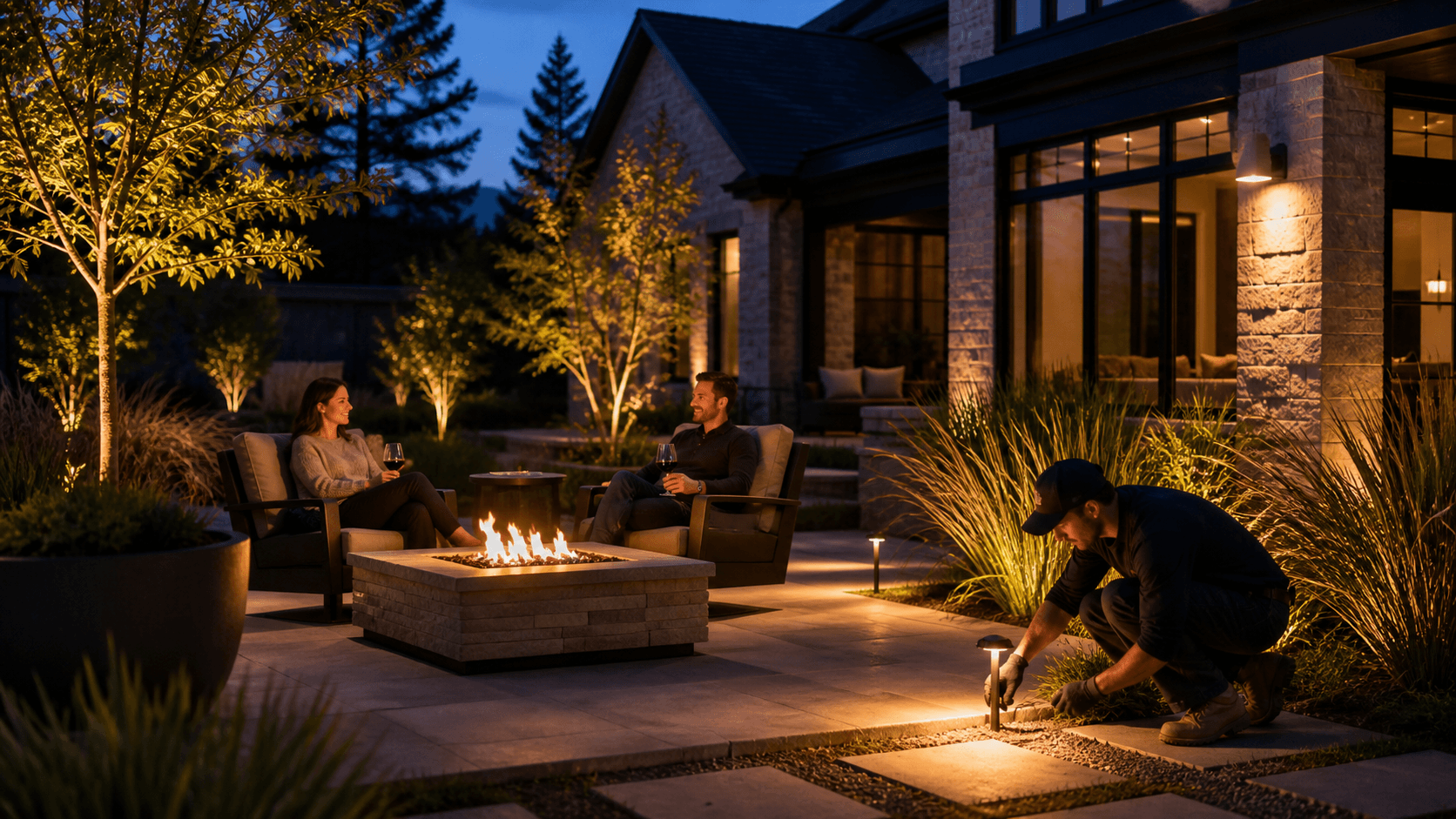
A patio, porch, or deck can become one of the most comfortable parts of your home on mild Woodstock evenings. Soft lighting makes it easier to share a fall dinner outdoors, gather for a football game, or simply sit outside after a long day. The right light helps people move around confidently while preserving the relaxed feeling of being outdoors.
Different areas often benefit from different fixture types. We may suggest deck lights along railings, step lights on stair risers, recessed fixtures in covered ceilings, or soft downlighting from nearby trees. Retaining walls, seating walls, and outdoor kitchens can also benefit from small accents that help define their edges without overpowering the space.
A comfortable outdoor living area usually needs less brightness than people expect. Warm color temperatures tend to create a more inviting setting than cool, harsh white light. Dimmable controls are also useful because you can keep lighting brighter while people arrive, then lower it once everyone is settled.
For patios and decks, we often focus on these priorities:
- Clear visibility at steps and level changes
- Gentle light around seating and dining areas
- Accent lighting for walls, planters, or built-in features
- Low glare near doors, windows, and seating
- Separate controls for different activity areas
Highlight Trees and Architecture Without Glare
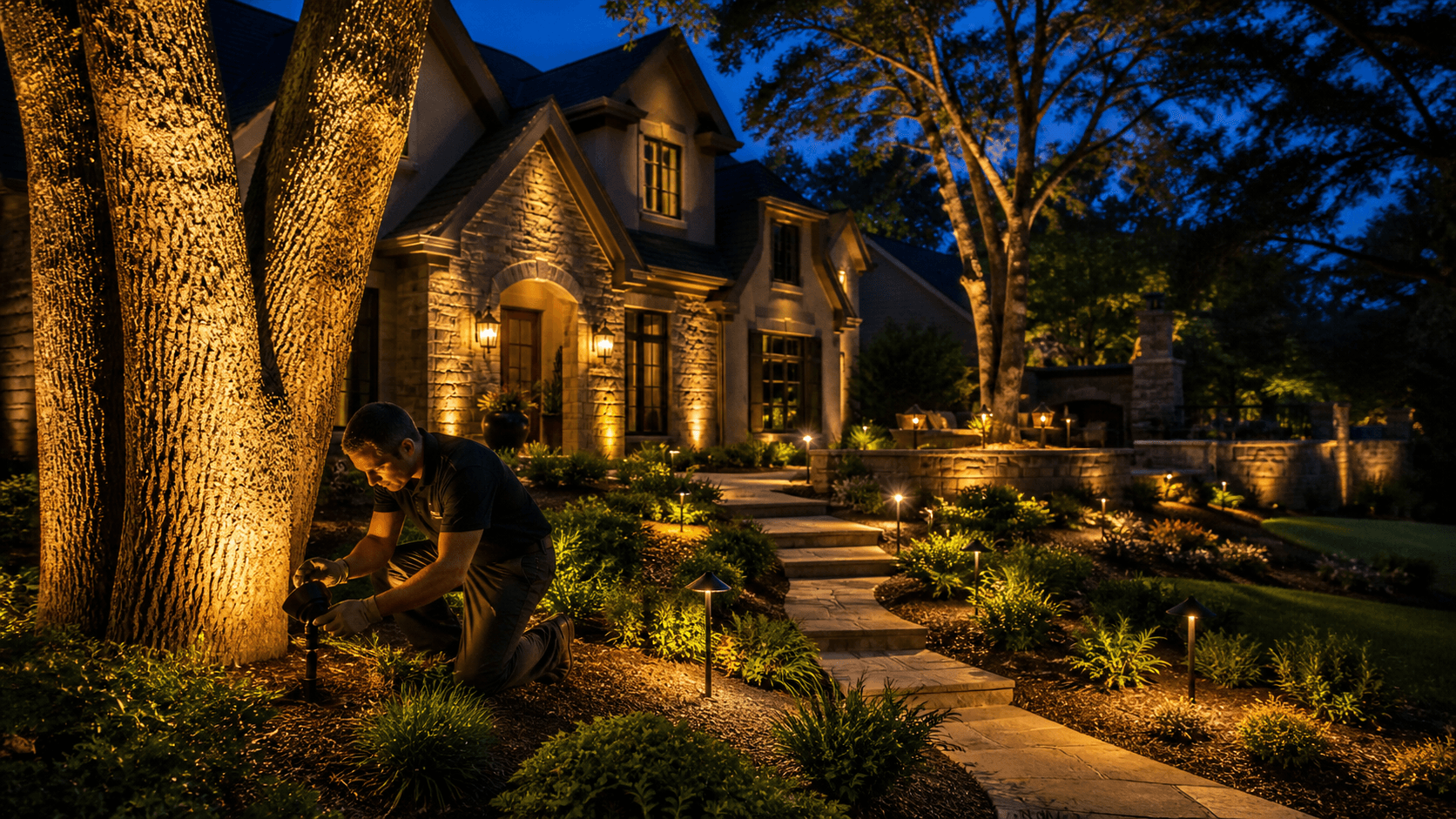
Mature trees, stonework, columns, brick, and roofline details can give a home more character after sunset. Uplighting sends a controlled beam upward to show the trunk or canopy of a tree, while downlighting creates a softer wash of light from above. Either approach can add depth and curb appeal when it is aimed carefully.
The difference between a polished result and an overly lit property often comes down to restraint. We choose focal points instead of trying to light everything at once. One well-placed fixture can make a beautiful tree or gable stand out, while several poorly aimed fixtures may create glare, harsh shadows, or bright spots in windows.
A custom design also considers practical details that are easy to overlook. Existing plants, irrigation lines, rooflines, and the home's view from the street all influence fixture placement. Proper beam spreads and shields help keep light directed at the feature you want to show, rather than toward sidewalks, neighboring homes, or your own windows.
Choose LED Fixtures and Controls That Fit Your Routine
Professional-grade LED lighting is a practical choice for year-round outdoor use. LEDs provide consistent light output, use less energy than older lighting options, and typically require less maintenance over time. They also make it easier to build a system with several layers of light without creating a large power demand.
Controls make the system easier to live with. A timer can follow your preferred schedule, while a photocell turns lights on as daylight fades. App-based controls can offer added convenience, and zoning lets you manage areas separately. For example, you may want the front entry and driveway lights on while keeping patio accents at a lower setting.
Fall is a useful time to notice areas that become darker as days get shorter. Before guests arrive for seasonal gatherings or outdoor evenings become more frequent, it can help to review whether paths, entrances, and seating areas feel comfortable after sunset. A well-designed system can also support seasonal decorating without making decorative lighting the main focus.
Create a Lighting Plan That Fits Your Home
The most effective lighting plan balances safer movement, stronger curb appeal, and more usable outdoor spaces. Brightness alone is not the answer. Fixture placement, beam direction, warm light color, and simple controls all help create a result that feels natural and useful.
A successful plan accounts for your property layout, plantings, and how you use each outdoor area. The best plan gives each area enough light for its purpose while leaving room for the evening to feel calm, comfortable, and inviting.
Keep Your Outdoor Lighting Working Beautifully
Brighten Up Lights can help you maintain a dependable, polished system with professional landscape lighting in Woodstock, GA. Our team can troubleshoot dim fixtures, damaged wiring, timers, and other issues that affect how your property looks after dark. If your current setup needs attention or an update, contact us for a professional recommendation and estimate.